 There is no denying it; people and boating go hand in hand. There are people who love to go fishing for their dinner and there are those who simply enjoy life on the bow of a boat or in the captain’s chair. It is something that families can do together during the warm weather months and there are people who do it to escape from their busy lives. Another bonus is that boats are available in all shapes and sizes. There are john boats and huge yachts. The issue comes when people who own the boat are hoping to defend the boat against the risk of pirates. It has led to a lot of controversy on the water since many people want to carry along a gun on their boat.
Local Laws
There are a lot of loopholes for you to jump through if you want to take a gun on your boat in a lot of different areas. Your issues may become bigger issues or smaller ones, depending on where you want to travel while you are on your boat. If you are simply venturing out into a river or the ocean, but staying close to shore, you will have to abide by the laws of your state as it pertains to guns. If they require you to have a permit for a concealed weapon, you will need that with you on the boat. Some states require you to have it locked up and unloaded, but there if you need to access it. It is important that you find out how your state handles gun laws and what permits they require you to have and you should know that it will be in effect until you reach approximately 12 miles off shore.
Venturing into Open Water
 In the event that you plan to venture farther off shore, up to 24 miles, you will have to deal with international laws and regulations. If you go beyond that or hope to travel into another country’s harbor, you will have to take into consideration the Maritime Laws, your gun carry laws will be based on the flag you are flying and that country’s laws. For example, the U.S. flag follows the laws of the United States. You will need paperwork to back you up on it. As you get closer to other countries or coasts, you will need to abide by their rules and not the flag you carry on your boat.
Find Out More About Your State’s Laws
Most all states allow you to carry a gun on board a boat, but it is important that you look into it to know for sure about your state’s regulations and rules. There are gun show loophole states that may make it even easier for you to purchase and carry a gun, not only on shore, but off. If you end up venturing further off shore, that is when you will find more complicated rules and regulations that you will have to follow or you may risk breaking the law.
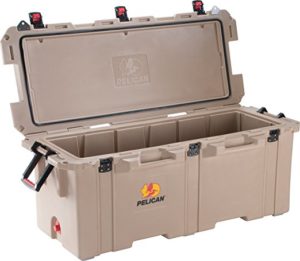 There are a lot of coolers available. You can purchase soft sided coolers and a variety of sizes from some of the most high-end brand names that you can find. This includes brands such as Yeti,
 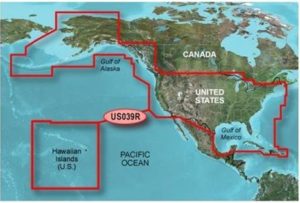 Which do you think would be more beneficial to you on a fishing trip? A high-end cooler that can keep beverages cold for a week or a marine GPS that can actually help you get back to shore when it matters the most? Both may serve a purpose, but you cannot get the same quality GPS by going cheap that you would by spending more the way that you can with a cooler. There are other marine accessories that are just as important as a GPS including the batteries that you may use to power you boat, but the GPS system is vital if you are going out. One common issue for boaters is going out and then suddenly a fog or rain rolls in and you are steering blind as you try to make your way back to the coast. In this situation, a cooler will not be helpful, but a GPS can save you from a lot of potential issues and the whole point of being prepared for the marine environment is to be sure you can handle any situation you have to. Which do you think matters more?
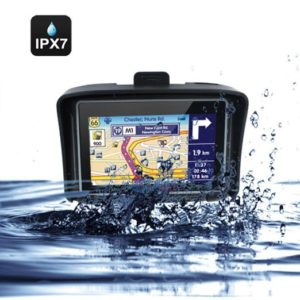 The truth is, the fact that an item says it is waterproof does not mean that you should immediately dunk it into the nearest water supply. There are different levels of waterproofness with all electronics that claim to be waterproof. Some are able to handle a good rain shower, or a trip into a rain shower like on
 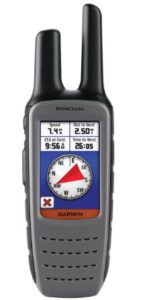 There are GPS systems that you can purchase that enable you to get them wet. There are marine GPS systems and they are safe to take out in a kayak or even wear on your wrist. There are handheld GPS systems that are safe to use in the marine environment and there are others that can go scuba diving with you. Before you rush out and purchase one, though, you should read reviews to make sure it is going to be as waterproof as you want for it to be. Otherwise, you could end up being very disappointed. Some of the best and most popular choices will not stop working because you hold it in the water for several minutes. Garmin is the most popular type because they are more waterproof than some of the other GPS systems.
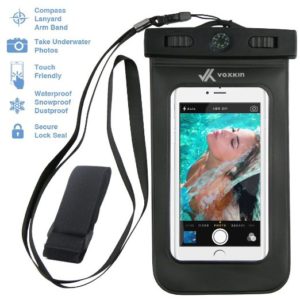 If you have a GPS that does not clearly tell you that you can take it into the water for up to so many meters, you could end up with a GPS that no longer works after you accidently carry it into the shower with you. If you choose a handheld that is rated for motorcycle use or marine use, you should be safe to get it wet in the shower or when out in the rain for an extended period of time. Though in some cases, you may need to dry it when you come out of the water. In a situation where you want to go diving with it, you will want to make sure that it is safe for the amount of time and depth that you plan to be diving into. Each handheld GPS will have its own abilities. You need to look carefully to see what your GPS system is able to handle because we know you do not want to take it out into open water, only to have it leave you still having to search for your way back home.
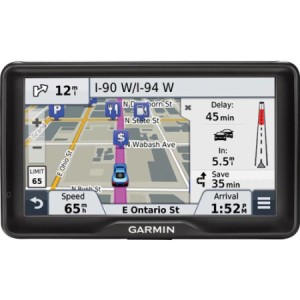 In the time since GPS systems were first invented, they have come a long ways. They started out as driving tools to help people get from one area to another. However, nowadays, with our constantly changing technology, things have changed. Now, they can be useful for a variety of things, as long as you find the right features. Here are a few of the best features available and you should know about them before you go in search of your first GPS. They are the features that most people want to know about when they ask what to look for in your first GPS.
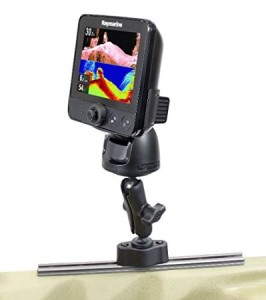 When driving, people like to know where they are going, what may be located nearby as far as food and gas, and other important information. The same can be said for other times when you are not necessarily in a vehicle. For instance, when hunting or fishing, you may want a GPS that can tell you which direction to go based on your current location. If you are out in a kayak, you may want to own the
  The newest trend in avoiding traffic jams is the
  Most people who own a